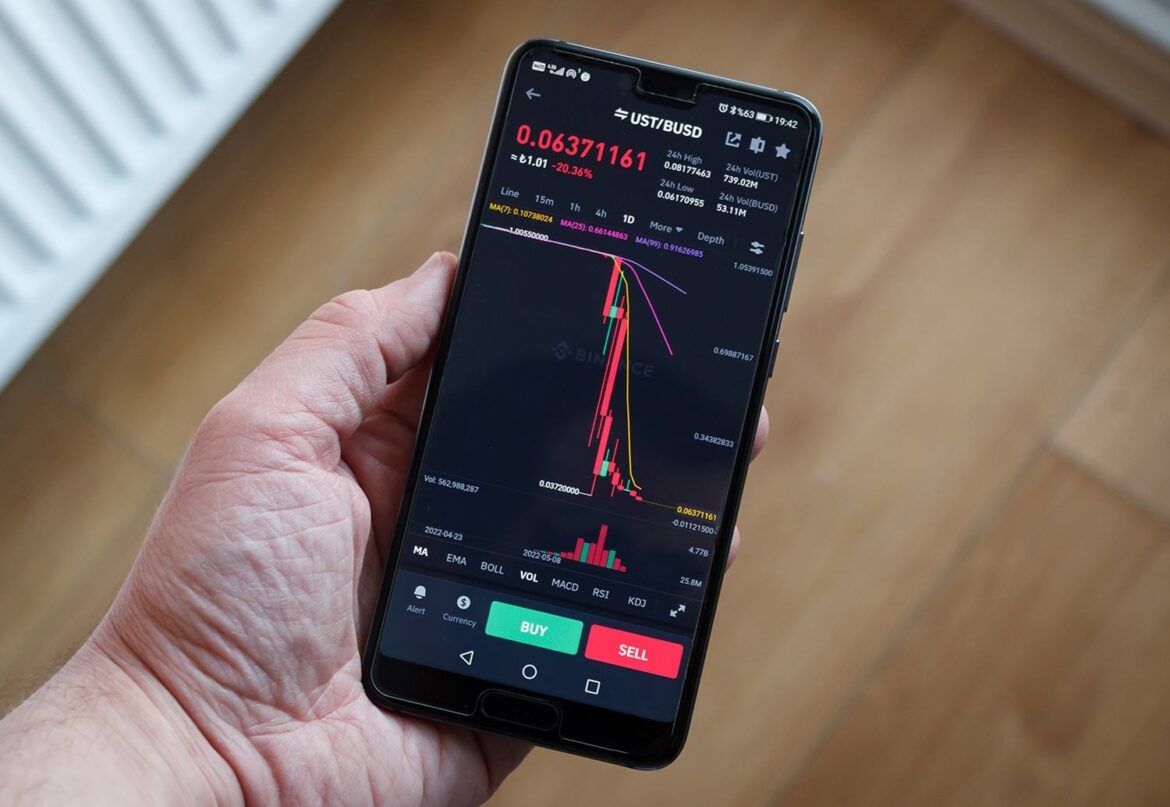
If you’ve been paying attention to global crypto regulation, South Korea has been one of the most aggressive movers. And honestly? After what happened with Terra/LUNA, it’s hard to blame them.
South Korea is home to one of the most active crypto trading populations in the world. At peak times during the 2021 bull market, Korean exchanges were doing more trading volume than the entire U.S. market. The “kimchi premium” — where Korean exchanges priced Bitcoin significantly higher than Western ones — became a well-known indicator of local demand. So when things went sideways with Terra, a project literally born in Seoul, Korean regulators felt the heat directly.
What’s Actually Changing in Korean Crypto Law
In the wake of Terra’s collapse, South Korea’s Financial Services Commission (FSC) moved quickly. The country already had the Act on Reporting and Using Specified Financial Transaction Information — essentially a framework requiring crypto exchanges to register with the government and comply with AML (anti-money laundering) rules. But after May 2022, regulators pushed for something far more comprehensive.
The new proposals include mandatory reserve requirements for stablecoins, stricter listing standards for new tokens on Korean exchanges, enhanced KYC/AML obligations, and real-time reporting of suspicious transactions. One of the most interesting additions is the requirement for exchanges to segregate customer funds — something that sounds obvious but was clearly not being enforced rigorously before.
South Korea is also moving toward a licensing framework that goes beyond simple registration. Under the new proposals, exchanges would need to prove they have adequate technical security infrastructure, qualified compliance personnel, and financial reserves before they can operate legally. This is a much higher bar than what was previously required.
The Do Kwon Effect
You can’t talk about Korean crypto regulation in 2022 without mentioning Do Kwon. The Terraform Labs founder, who was a celebrity entrepreneur in Korea, became the face of everything wrong with the unregulated crypto space after Luna and UST imploded and wiped out roughly $60 billion in value.
Korean prosecutors issued an arrest warrant for Do Kwon, his assets were frozen, and the case became a national scandal. For regulators, it was a gift — in the worst possible sense. Here was a high-profile, homegrown disaster that made it politically easy to push through aggressive oversight that might otherwise have faced industry pushback.
The lesson Korean regulators drew from Terra wasn’t subtle: algorithmic stablecoins without real collateral backing are effectively Ponzi structures, and exchanges that listed UST without doing proper due diligence were complicit in investor harm. Those conclusions drove a lot of the specific provisions in the new legislation.
How This Affects Exchanges Like Upbit, Bithumb, and Korbit
South Korea’s major exchanges had already gone through a shakeout in 2021 when the government forced platforms to either partner with Korean banks for real-name account verification or shut down. Most smaller exchanges couldn’t meet that requirement and closed. What remained were mostly the big four: Upbit, Bithumb, Korbit, and Coinone.
Under the new regulations, these exchanges face significantly higher compliance costs. The need to maintain adequate reserves, hire compliance staff, and implement real-time monitoring systems adds operational overhead that squeezes margins. For Upbit, which dominates the Korean market with over 70% market share, this is manageable. For smaller players, it could be existential.
There’s also the question of token delistings. When regulations require exchanges to conduct more rigorous due diligence on listed tokens, the natural response is to delist anything that doesn’t meet the new bar. After Terra’s collapse, Korean exchanges delisted hundreds of tokens — partly as a regulatory response, partly as risk management. That trend is likely to continue.
The Global Regulatory Domino Effect
Korea isn’t acting alone. What’s happening there is part of a coordinated global push — the EU’s MiCA framework, the U.S. SEC’s aggressive enforcement actions, Singapore’s tightened licensing requirements, and now Korea’s expanded oversight all point in the same direction: the era of “move fast and break things” crypto is over.
For projects and exchanges that were built on the assumption of regulatory ambiguity, this is painful. For serious, well-capitalized players with actual compliance infrastructure, it’s actually good news — it raises the bar for competitors and creates a more stable playing field.
The interesting question for Korea specifically is whether tighter regulation will push retail investors away from crypto or simply toward regulated platforms. Given the country’s demonstrated appetite for crypto speculation, the latter seems more likely. Korean traders are not going to stop trading because of new rules — they’ll adapt, as they always have.
What This Means for Your Portfolio
From an investor perspective, South Korea’s regulatory moves have a few concrete implications. First, tokens that don’t meet new listing standards on Korean exchanges will lose access to one of the world’s most liquid crypto markets — that’s a real competitive disadvantage. Second, projects with transparent, auditable reserve structures (particularly stablecoins) will be in a much stronger position going forward. Third, Korean regulatory clarity may actually attract more institutional investment by reducing legal uncertainty.
The short-term pain of compliance costs and delistings may ultimately produce a healthier, more trustworthy Korean crypto market. Whether that benefits retail investors who got burned in the Terra collapse remains to be seen — regulatory frameworks protect future investors, not past victims.
Disclaimer: This article is for informational purposes only and does not constitute financial or legal advice. Cryptocurrency investments carry significant risk. Always conduct your own research before making investment decisions.