Yield farming remains one of the most lucrative yet risky strategies in decentralized finance. As DeFi protocols mature in 2026, the landscape offers sophisticated opportunities to earn passive income through liquidity provision, staking, and lending. However, smart contract vulnerabilities and impermanent loss continue to challenge even experienced farmers. This guide breaks down proven strategies to maximize yields while protecting your capital.
Understanding Modern Yield Farming Mechanics
Yield farming involves depositing cryptocurrency into DeFi protocols to earn rewards. Unlike simple staking, farmers often provide liquidity to decentralized exchanges (DEXs) or lend assets through money markets. Returns come from multiple sources: trading fees, protocol emissions, incentive programs, and occasionally governance tokens with real value.
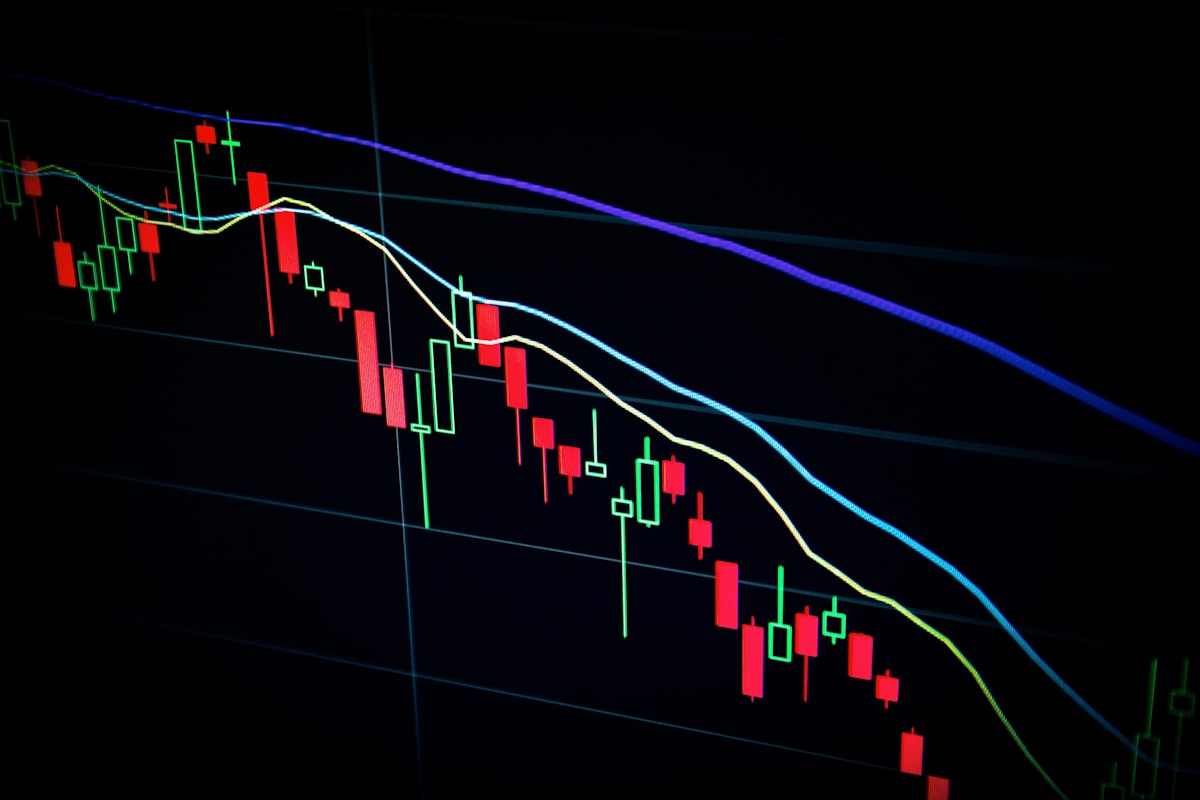
The highest yields typically come from newer protocols offering token incentives to bootstrap liquidity. Established platforms like Aave, Compound, and Curve offer lower but more stable returns (3-12% APY), while emerging projects may promise 50-500% APY during launch phases. The challenge lies in distinguishing genuine opportunities from unsustainable ponzinomics.
Layer 2 solutions have transformed yield farming economics. Platforms on Arbitrum, Optimism, and Base offer farming opportunities with gas costs 10-100x lower than Ethereum mainnet. This makes smaller position sizes economically viable and enables more frequent compounding without eroding profits.
Evaluating Smart Contract Risk
Smart contract exploits have drained billions from DeFi protocols. Before depositing funds, assess the protocol’s security posture through multiple lenses. Check if the code has been audited by reputable firms like Trail of Bits, ConsenSys Diligence, or OpenZeppelin. However, remember that audits are point-in-time assessments and cannot guarantee future safety.
Protocol age and total value locked (TVL) serve as indirect security indicators. A protocol maintaining $100M+ TVL for 12+ months without incident demonstrates some resilience, though past performance never guarantees future safety. Review the protocol’s bug bounty program: generous rewards ($100K-$10M) attract white hat hackers who find vulnerabilities before malicious actors.

Examine the protocol’s upgrade mechanism. Immutable contracts offer certainty but cannot fix bugs. Upgradeable contracts with multi-signature timelocks (48+ hours) balance security with adaptability. Avoid protocols where a single address can upgrade contracts instantly, as this creates centralized risk and rug pull potential.
Understanding and Mitigating Impermanent Loss
Impermanent loss (IL) occurs when you provide liquidity to an automated market maker (AMM) and the price ratio of your deposited tokens changes. If one token appreciates significantly relative to the other, you end up with less value than if you had simply held both tokens separately. The loss is “impermanent” because it only materializes when you withdraw liquidity.
The mathematical reality is sobering: a 2x price change in one token creates roughly 5.7% IL, while a 5x change yields 25.5% IL. For volatile pairs, trading fees and incentive rewards must exceed IL to generate net profit. Conservative farmers focus on correlated pairs (ETH/stETH, USDC/USDT) where IL remains minimal regardless of broader market movements.
Several protocols now offer IL protection mechanisms. Bancor pioneered full IL protection after 100 days of liquidity provision, though this feature has been paused during market stress. Newer concentrated liquidity models like Uniswap V3 allow liquidity providers to set custom price ranges, potentially earning higher fees but also experiencing accelerated IL if prices exit the range.
Optimal Farm Selection Strategy
Successful yield farming requires balancing multiple variables: APY, smart contract risk, IL exposure, liquidity depth, and token price stability. Start by categorizing farms into risk tiers. Blue-chip farms (Aave ETH lending, Curve stablecoin pools) offer 3-8% APY with minimal risk. Mid-tier farms (established DEXs on L2s, well-audited new protocols) target 15-40% APY. High-risk farms (new protocols, exotic pairs) may advertise 100%+ APY but carry substantial capital risk.
Diversify across protocols, chains, and asset types. A sample portfolio might allocate 50% to blue-chip farms for stability, 30% to mid-tier opportunities for enhanced yield, and 20% to calculated high-risk positions. Never concentrate more than 10% of your farming capital in a single protocol unless it has multi-year track record and extensive audits.
Monitor your positions daily. Set price alerts for significant pair divergence that could create unacceptable IL. Track protocol announcements for changes to emission schedules, as APYs can drop precipitously when incentives end. Use portfolio trackers like DeBank or Zapper to aggregate positions across multiple chains and protocols.
Advanced Strategies: Leverage and Looping
Sophisticated farmers employ leverage to amplify yields, though this equally amplifies risk. Platforms like Aave allow you to deposit collateral, borrow against it, and redeploy the borrowed funds into yield-generating positions. A simple example: deposit ETH, borrow USDC at 4% interest, farm USDC at 12% APY, earning net 8% on borrowed capital plus full yield on your ETH collateral.
Looping strategies take this further by recursively depositing and borrowing the same asset. Deposit ETH, borrow more ETH against it, deposit that ETH, borrow again, repeating until you reach safe leverage limits. This can multiply staking yields but requires careful monitoring of liquidation thresholds. During volatile markets, leveraged positions can be force-liquidated at significant loss.
Yield aggregators like Yearn Finance automate complex strategies, but charge performance fees (typically 2% management + 20% performance fee). For smaller portfolios under $50K, aggregator convenience often justifies fees. Larger farmers benefit from implementing strategies directly to avoid fee drag.
Tax Implications and Record Keeping
Yield farming creates complex tax obligations in most jurisdictions. Each reward claim, token swap, and liquidity addition/removal may constitute a taxable event. In the US, farming rewards are typically treated as ordinary income at fair market value when received, then subject to capital gains treatment when sold.
Maintain meticulous records from day one. Export transaction histories from each protocol and chain you use. Services like CoinTracker, Koinly, or TokenTax can aggregate DeFi activity, though manual verification remains essential for accuracy. Calculate your effective after-tax yield by subtracting both fee costs and estimated tax liability from gross APY.
Risk Management: Position Sizing and Exit Planning
Never farm with funds you cannot afford to lose entirely. DeFi protocols can be exploited regardless of precautions. Start with small test positions to understand mechanics before committing substantial capital. Many farmers limit any single protocol exposure to 5-10% of their total crypto portfolio.
Establish clear exit criteria before entering positions. Define the minimum APY threshold where you will withdraw (accounting for IL and gas costs). Set stop-losses for token price movements that would create unacceptable IL. During market uncertainty, bias toward overcollateralized stablecoin positions that generate yield without directional price risk.
Consider protocol diversification across different blockchain ecosystems. Ethereum, BNB Chain, Polygon, Arbitrum, and Solana each host mature DeFi ecosystems. Cross-chain farming reduces single-point-of-failure risk, though it adds complexity and bridge risk when moving assets between networks.
Future-Proofing Your Yield Farming Strategy
The DeFi landscape evolves rapidly. Real yield (revenue from actual protocol usage rather than token emissions) increasingly distinguishes sustainable platforms from temporary incentive farms. Protocols with genuine product-market fit, like established DEXs and lending markets, will likely outlast emission-dependent farms.
Stay informed through dedicated DeFi research sources. Follow protocol announcements, participate in governance forums, and monitor on-chain metrics through platforms like DeFi Llama. The most profitable opportunities often emerge in the first days of new protocols or chain expansions, rewarding farmers who move quickly with calculated risk.
This article provides educational information about DeFi yield farming strategies and risks. It does not constitute financial advice. Cryptocurrency investing carries substantial risk of loss. Conduct thorough research and consider consulting qualified financial advisors before making investment decisions. Past performance does not indicate future results.